Driven, braced, dewatered — and pulled back out when it's done.
Sheet Pile Walls & Cofferdams
ESC installs and extracts steel sheet pile walls, cofferdams, and bulkheads with an owned APE 200-6 vibratory driver/extractor and Liebherr LR 1130 crawler service crane. Interlocked sheets cut off groundwater as well as retain soil, which makes them the working answer for excavations below the water table and for waterfront and over-water work. Because the same hammer extracts, temporary cofferdams come back out cleanly and the steel is recovered.
Typical spec
Plain-language view of the same typical ranges.
- Typical wall depth
- 15–60 ft
- A typical range for this kind of work.Typical value — confirm against the project's geotechnical design.
- Common sections
- PZ / AZ hot-rolled sheets
- A typical range for this kind of work.Typical value — confirm against the project's geotechnical design.
- Installation method
- Vibratory (APE 200-6)
- A typical range for this kind of work.Typical value — confirm against the project's geotechnical design.
- Extraction
- Vibratory — same hammer
- A typical range for this kind of work.Typical value — confirm against the project's geotechnical design.
- Lateral support
- Walers & struts or tiebacks
- A typical range for this kind of work.Typical value — confirm against the project's geotechnical design.
- Groundwater
- Interlock cutoff; dewatering by others
- A typical range for this kind of work.Typical value — confirm against the project's geotechnical design.
How it goes in
- 01
Set the template and pitch the sheets
A template is set to the wall line and the first pairs are pitched and plumbed. Interlock alignment at the start governs whether the wall closes correctly at the end.
- 02
Drive to tip elevation
Sheets are driven with the vibratory hammer to the design tip elevation, panel-driven where ground resistance or alignment demands it.
- 03
Close the cell and brace
For a cofferdam, the wall is closed to a continuous cell and braced with walers and struts, or tied back, per the design.
- 04
Dewater and work in the dry
With the cell closed, the interior is dewatered so the GC's structure, foundation, or utility work proceeds in the dry.
- 05
Extract and recover
Where the system is temporary, bracing is removed in reverse sequence and the sheets are vibratory-extracted with the same hammer that drove them, recovering the steel.
Equipment on this work
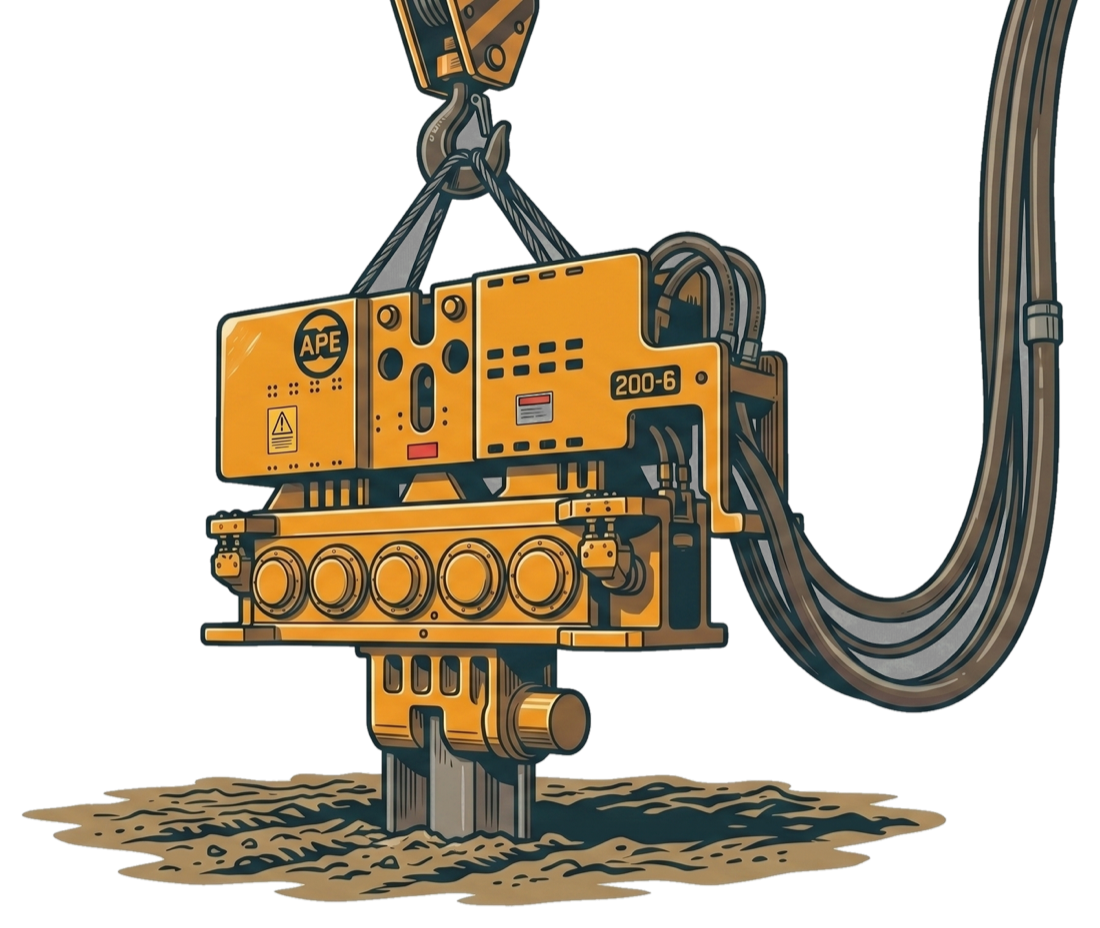
APE 200-6
Vibratory driver / extractor
Vibrates the sheets in, and extracts them on temporary cofferdams.
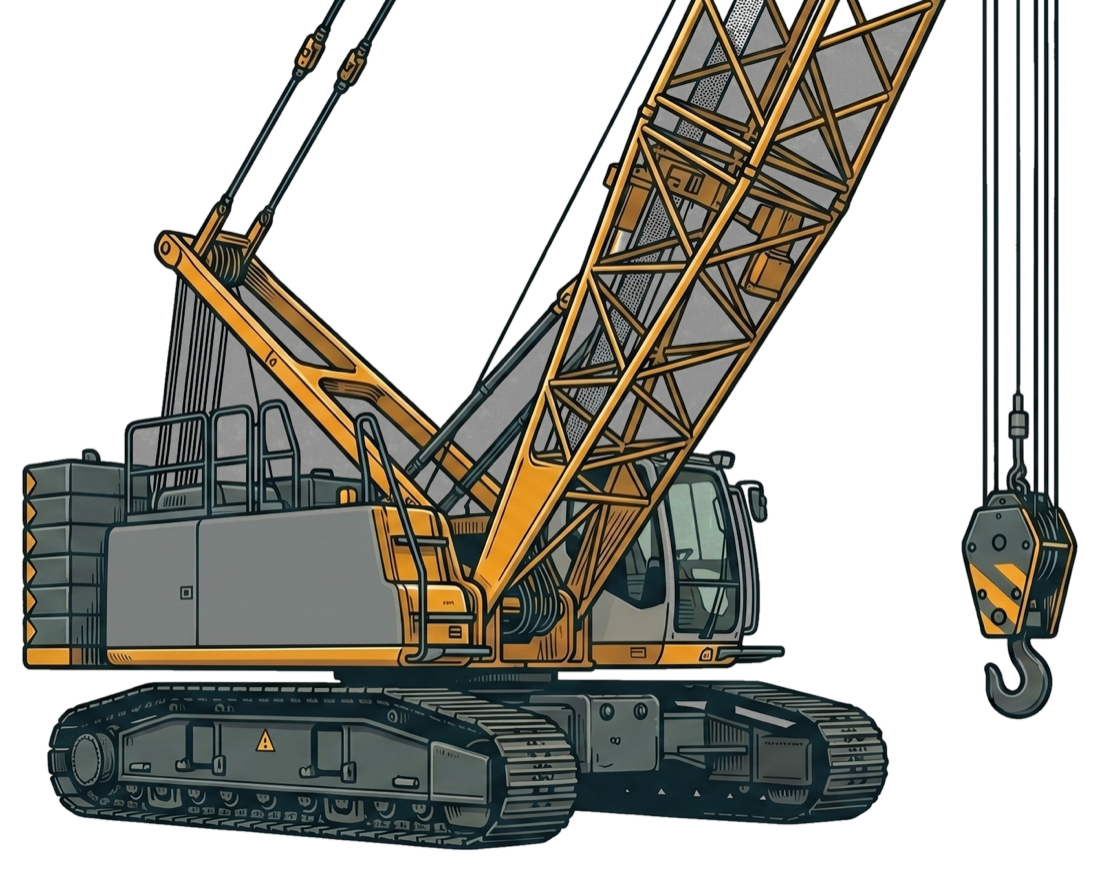
Liebherr LR 1130
Crawler service crane
Threads each sheet into the interlock and sets the frames.
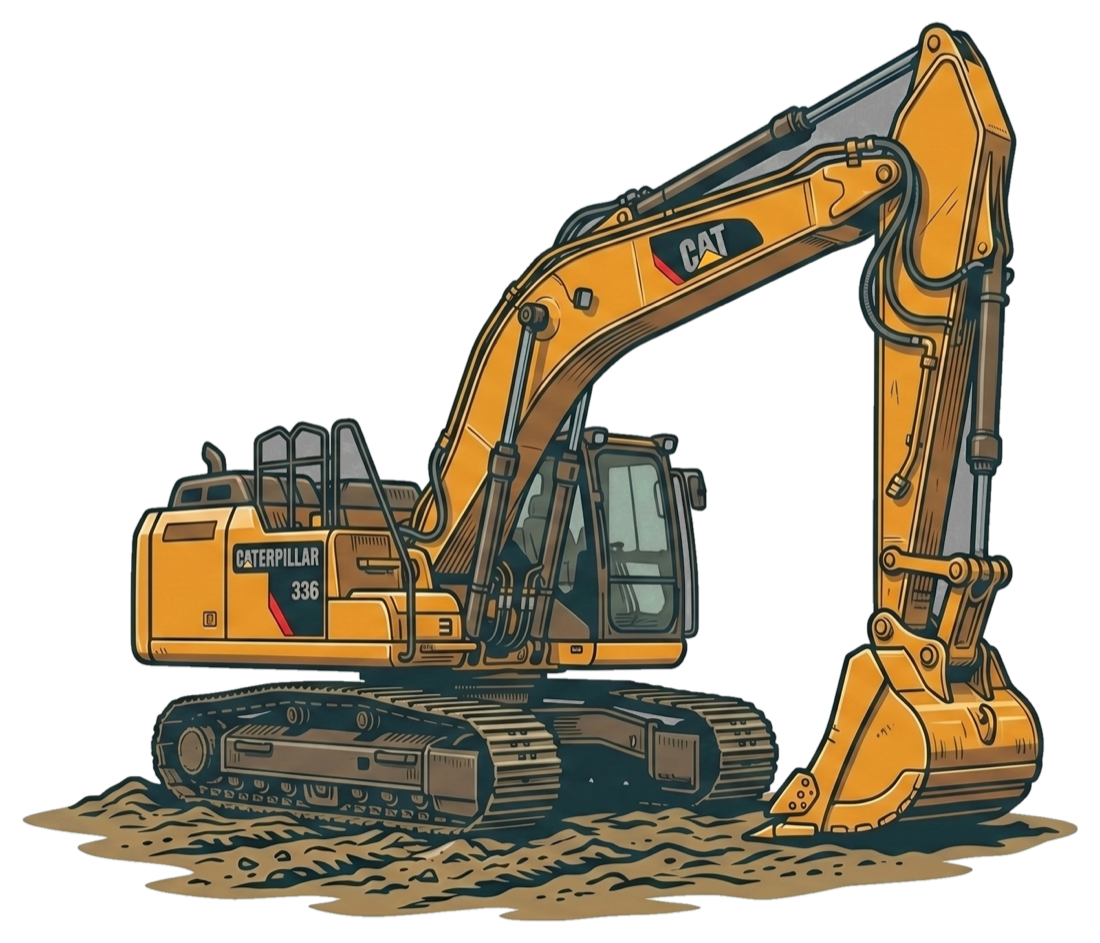
Caterpillar 336
Tracked hydraulic excavator
Excavates inside the cell and handles the bracing.
Equipment shown as illustrative renderings.
Where it fits
- Cofferdams for bridge piers, outfalls, and pump stations
- Waterfront bulkheads, seawalls, and dock structures
- Excavations below the groundwater table requiring cutoff
- Over-water and barge-supported installation
- Temporary cells installed and later fully extracted
- Utility and culvert crossings in saturated ground
Frequently asked
Ready to scope your foundation?
Tell us about the project and we'll put together a detailed quote within 3 days. We generally work with general contractors.
Or email plans to bids@earthsupportcorp.com